

PandaVPN vs ExpressVPN: Which VPN Actually Delivers for Gaming and Streaming in 2026?
 Sharon
  2026.03.29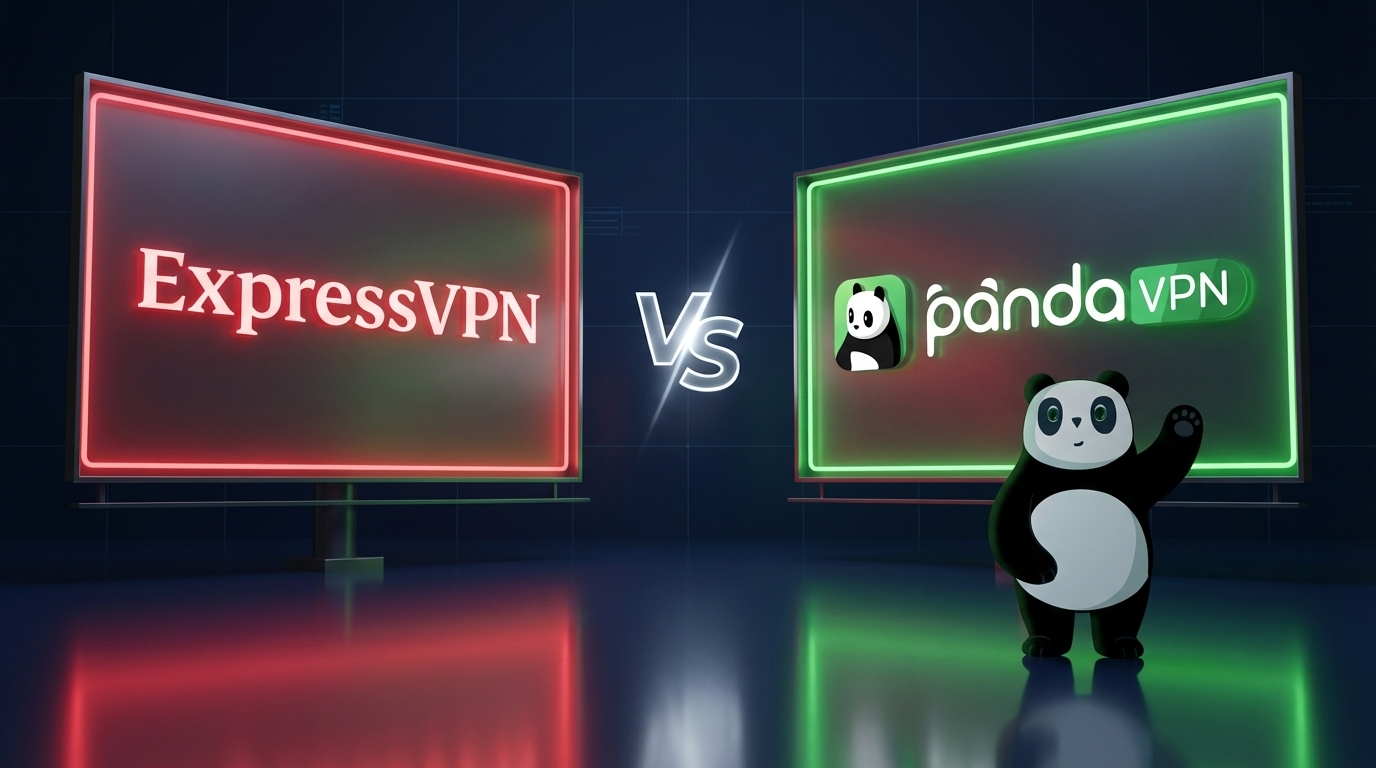
If you’ve ever lost a ranked match because your ping suddenly spiked—or tried to access Netflix Japan only to get blocked—you already know one thing:
Not all VPNs are built the same.
For years, ExpressVPN has been the default recommendation. It’s polished, reliable, and widely trusted. But in 2026, more users are starting to question whether premium pricing—and traditional account systems—still make sense.
That’s where PandaVPN enters the conversation.
Instead of following the standard VPN model, PandaVPN focuses on something most providers still overlook: true anonymity and zero data exposure.
In this comparison, we break down PandaVPN vs ExpressVPN across gaming performance, streaming access, privacy, and real-world value—to help you decide which VPN actually deserves your money.
Quick Comparison: PandaVPN vs ExpressVPN
| Feature | PandaVPN | ExpressVPN |
|---|---|---|
| Privacy Model | Anonymous ID (No Email Required) | Email Required |
| Payment Handling | Third-Party (Zero Access to Billing Data) | Internal Processing |
| Gaming Performance | Dedicated Gaming Nodes | Standard High-Speed Servers |
| Streaming Support | Platform-Optimized Servers | Reliable Access |
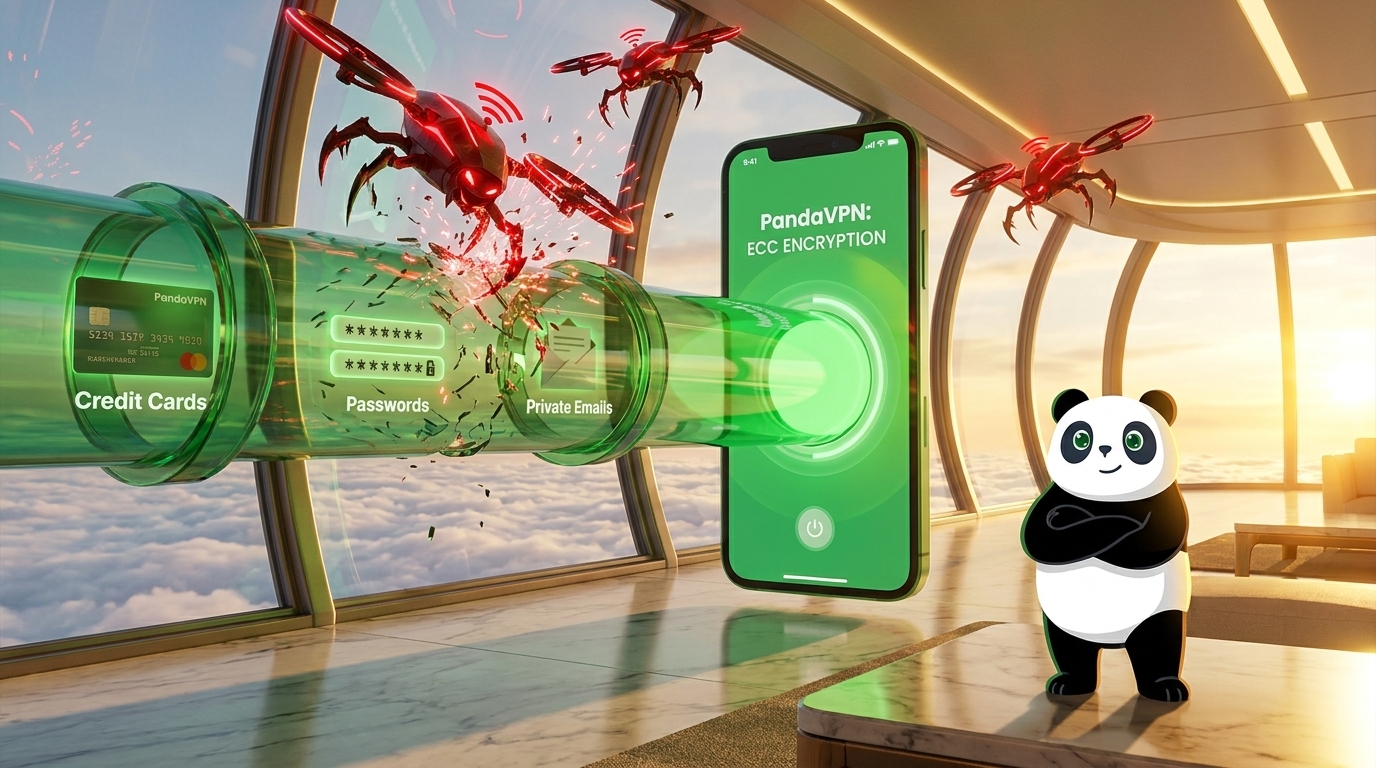
| Encryption | ECC | AES-256 |
| Price (Long-term) | $2.49/mo | ~$6.67/mo |
| Ease of Use | Simple ID Login | Traditional Account |
👉 Quick Verdict: PandaVPN offers a more privacy-focused, performance-driven experience at a significantly lower cost.

1. Privacy & Anonymity: A Fundamental Difference
Most VPNs claim to protect your privacy—but still require personal information during signup.
ExpressVPN: Private, But Not Anonymous
ExpressVPN has a strong reputation and a verified no-logs policy. However, creating an account still requires an email address, which introduces a link—however small—between your identity and your VPN usage.
PandaVPN: Built for Zero Identity Exposure
PandaVPN takes a completely different approach.
Instead of registering with personal information, users receive a random digital account ID:
-
No email required
-
No personal identifiers
-
No account tied to your identity
Even more importantly:
-
All payments are handled by independent third-party platforms
-
PandaVPN cannot access your billing details
-
No credit card data, no billing address stored internally
👉 This creates a true zero-knowledge environment.
Why this matters:
If a service never collects your data, it cannot expose it—intentionally or accidentally.
Verdict:
For users who prioritize anonymity over just “privacy claims,” PandaVPN clearly leads.
2. Gaming Performance: Lower Ping, Better Stability
When choosing the best VPN for gaming, latency is everything.
ExpressVPN for Gaming
ExpressVPN delivers solid speeds and stable connections. For casual gaming, it performs reliably across most regions.
However, its infrastructure is designed for general use—meaning gaming traffic shares resources with streaming and browsing activity.
PandaVPN’s Dedicated Gaming Nodes
PandaVPN introduces specialized gaming servers optimized for low latency and stable routing:
-
Shorter routing paths to game servers
-
Reduced ping and jitter
-
Built-in protection against DDoS attacks
To be fair, ExpressVPN works well for everyday gaming.
But for competitive players, even small latency improvements can make a real difference.
Verdict:
For serious gamers, PandaVPN provides a more optimized and consistent experience.
3. Streaming Performance: Unlocking Global Content
A good streaming VPN should reliably bypass geo-restrictions without buffering.
ExpressVPN: Reliable but Premium
ExpressVPN has long been known for its ability to unblock platforms like Netflix, Hulu, and Disney+. It’s consistent—but comes at a higher price.
PandaVPN: Optimized for Streaming Platforms
PandaVPN offers dedicated streaming servers, clearly labeled by platform:
-
Netflix US / Japan
-
Hulu
-
Disney+
-
HBO
This removes the guesswork—no need to test multiple servers.
-
Smooth 4K playback
-
Fast server switching
-
Stable access across regions
Verdict:
Both perform well, but PandaVPN offers a more streamlined and cost-efficient streaming experience.
4. Pricing: Paying for Brand vs Paying for Value
VPN pricing has become a major factor for US users dealing with multiple subscriptions.
-
ExpressVPN remains one of the most expensive VPNs on the market
-
PandaVPN offers similar core functionality at a much lower price point
At $2.49/month, PandaVPN significantly undercuts premium competitors.
👉 The real question is:
Are you paying for better performance—or just a well-known brand?
Verdict:
PandaVPN delivers stronger value for cost-conscious users.
Use Case: Which VPN Should You Choose?
Choose PandaVPN if:
-
You want complete anonymity (no email, no identity)
-
You prefer zero exposure of payment data
-
You play competitive online games and need low latency
-
You want premium features without overpaying
Choose ExpressVPN if:
-
You prefer a long-established brand
-
You’re already using its ecosystem
-
You don’t mind providing basic account information
Final Verdict: Why PandaVPN Stands Out in 2026
ExpressVPN is still a strong and reliable option. It has years of trust behind it and delivers consistent performance.
However, PandaVPN represents a shift in what users now expect from a VPN:
-
No personal data required to sign up
-
Payment information fully isolated via third-party systems
-
Optimized performance for gaming and streaming
-
Significantly lower cost
For users who value privacy, performance, and pricing, the difference is no longer marginal.
👉 It’s clear.
🚀 Ready to Upgrade Your VPN Experience?
If you’re looking for a VPN that prioritizes true anonymity and real performance, PandaVPN is the smarter choice in 2026.
Experience the internet with zero identity, zero limits, and full control.

Related Posts


Featured Posts